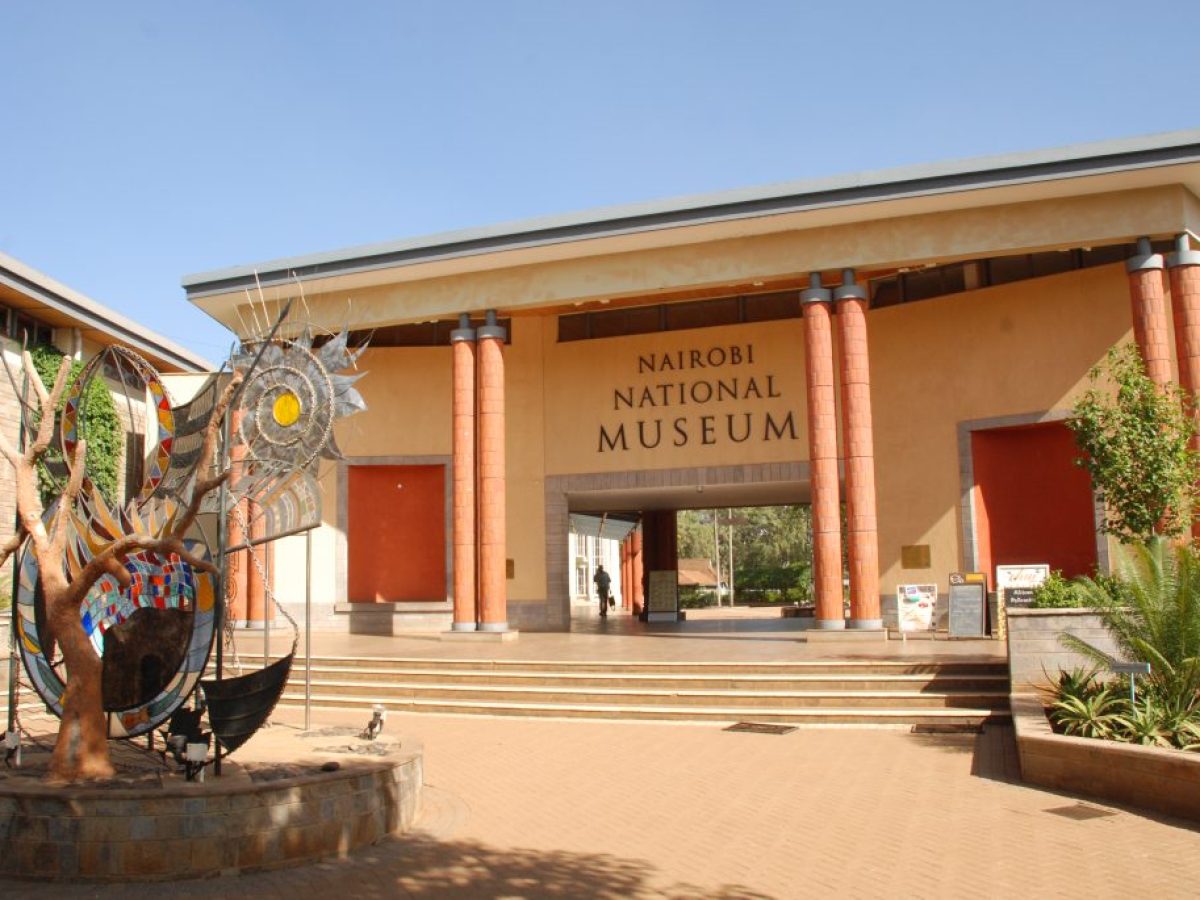
Over View
Kenya, officially the Republic of Kenya, is a vibrant sovereign nation located in East Africa. As of mid-2026, it is home to an estimated population of over 54.2 million people, making it the 26th most populous country globally. Straddling the equator, Kenya serves as the primary commercial, technological, and logistical hub for East and Central Africa.
Key Facts & Figures
- Capital City: Nairobi (also the country’s largest urban center).
- Other Major Cities: Mombasa (the oldest city and primary seaport), Kisumu, Nakuru, and Eldoret.
- Official Languages: Swahili (Kiswahili) and English.
- Currency: Kenyan Shilling (KES).
- Government: Unitary presidential constitutional republic, divided into 47 semi-autonomous counties.
- President: William Ruto.
- Geographic Neighbors: Bordered by South Sudan to the northwest, Ethiopia to the north, Somalia to the east, Tanzania to the southwest, Uganda to the west, and the Indian Ocean to the southeast.
Culture & Wildlife Heritage
Kenya is globally celebrated for its rich cultural mosaic and its role as a premier destination for wildlife conservation. The country recognizes over 40 distinct indigenous ethnic groups—including the Kikuyu, Luhya, Kalenjin, Luo, Kamba, and Maasai—each contributing to a diverse tapestry of music, fashion, and traditions.
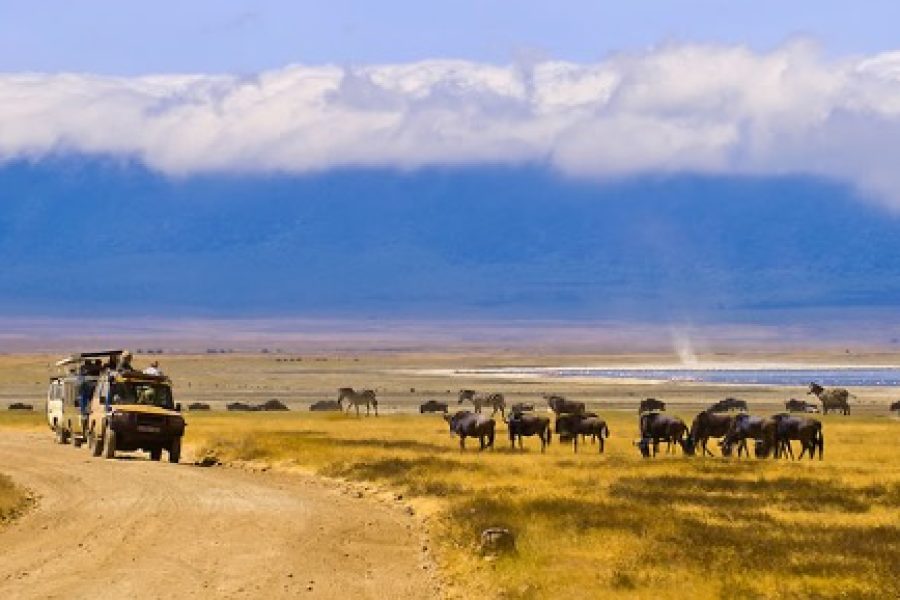
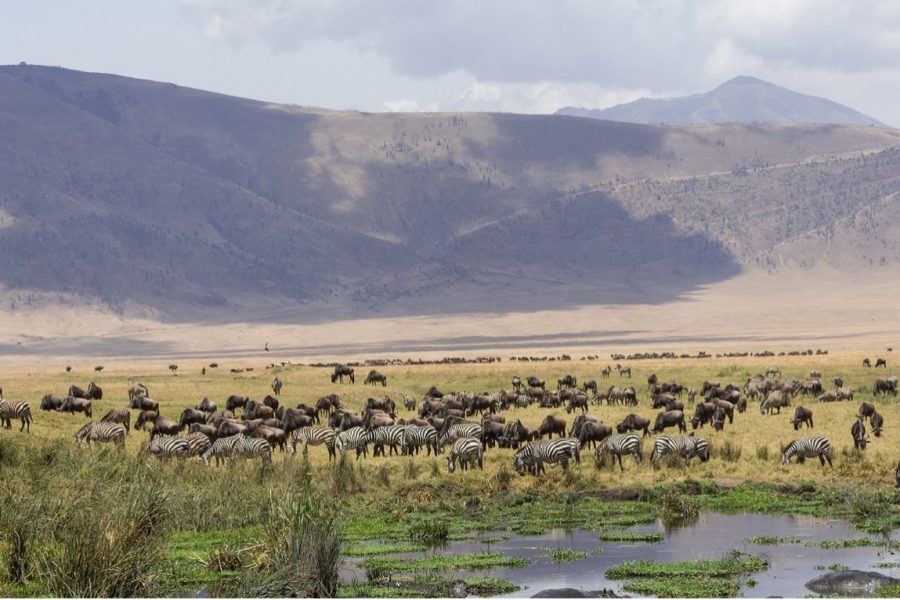
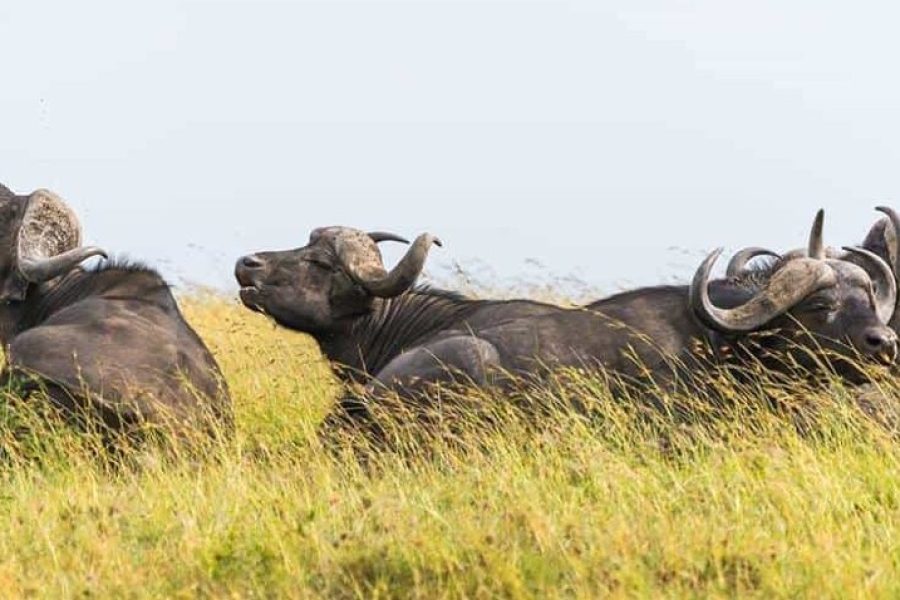
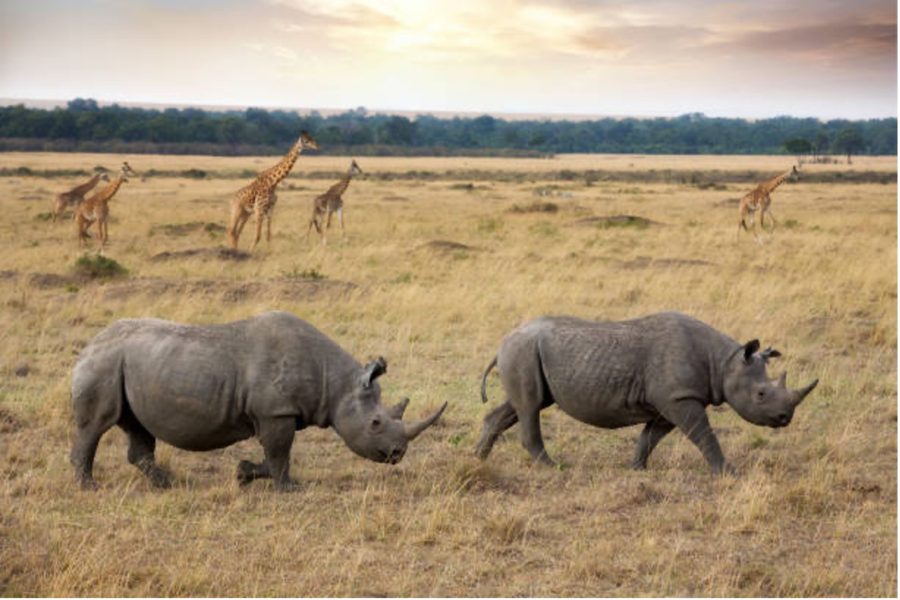
The nation is widely known for pioneering the modern African safari. Its vast wildlife reserves and national parks, such as the Maasai Mara National Reserve, host millions of tourists eager to witness the annual Great Migration and spot the iconic “Big Five” (lions, leopards, elephants, rhinos, and buffaloes).
Geography & The Cradle of Humankind
The Kenyan landscape is remarkably diverse. It transitions from the hot, tropical coastline along the Indian Ocean to the dramatic temperate highlands bisected by the Great Rift Valley. The country boasts towering peaks, including Mount Kenya, the second-highest mountain in Africa at 5,199 meters.